2026 Mid-Year Market Review
The first half of 2026 was a story of resilient markets overcoming a series of unexpected risks. Geopolitical conflict in the Middle East, a sharp rise in energy prices, and renewed inflation concerns led to significant volatility for portfolios and uncertainty for investors early in the year. However, improving market fundamentals, including broadening corporate earnings, solid economic growth supported by healthy consumer spending and business investment, and an improving labor market, helped stabilize sentiment and drive a recovery in markets as geopolitical risks began to ease towards midyear.

America’s Manufacturing
Renaissance
Tariffs that encourage domestic production, tax incentives, supply chain security, and growing investment in automation and artificial intelligence, have created the most significant period of manufacturing investment in the United States in decades.

Recovery Accelerated as Uncertainty Eased
Equity markets initially faced pressure in the first quarter as software and other technology stocks sold off amid concerns surrounding AI, followed by growing geopolitical uncertainty after the outbreak of the Iran war. However, as tensions eased, markets recovered on strong earnings, with S&P 500 earnings increasing by 28.8% YoY in the first quarter.

International Equities and Emerging Markets
Markets were supported by several secular tailwinds, including increased fiscal spending, reshoring, a more accommodative regulatory backdrop, and a weaker U.S. dollar. However, performance came under pressure in March amid the Iran conflict which highlighted their vulnerabilities to reliance on imported oil through the Strait of Hormuz.
Fixed Income Delivered Uneven Returns
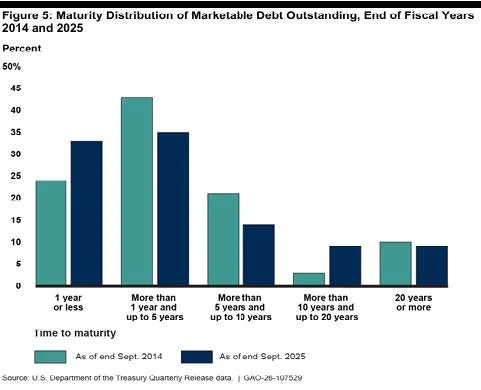
Fixed income markets delivered modestly positive but uneven returns as renewed inflation concerns and higher-for-longer interest rate policy expectations pushed yields higher globally. Markets saw a notable shift in expectations for rate cuts as fears of rate hikes increased in response to rising energy costs.
Commodity Performance Diverged
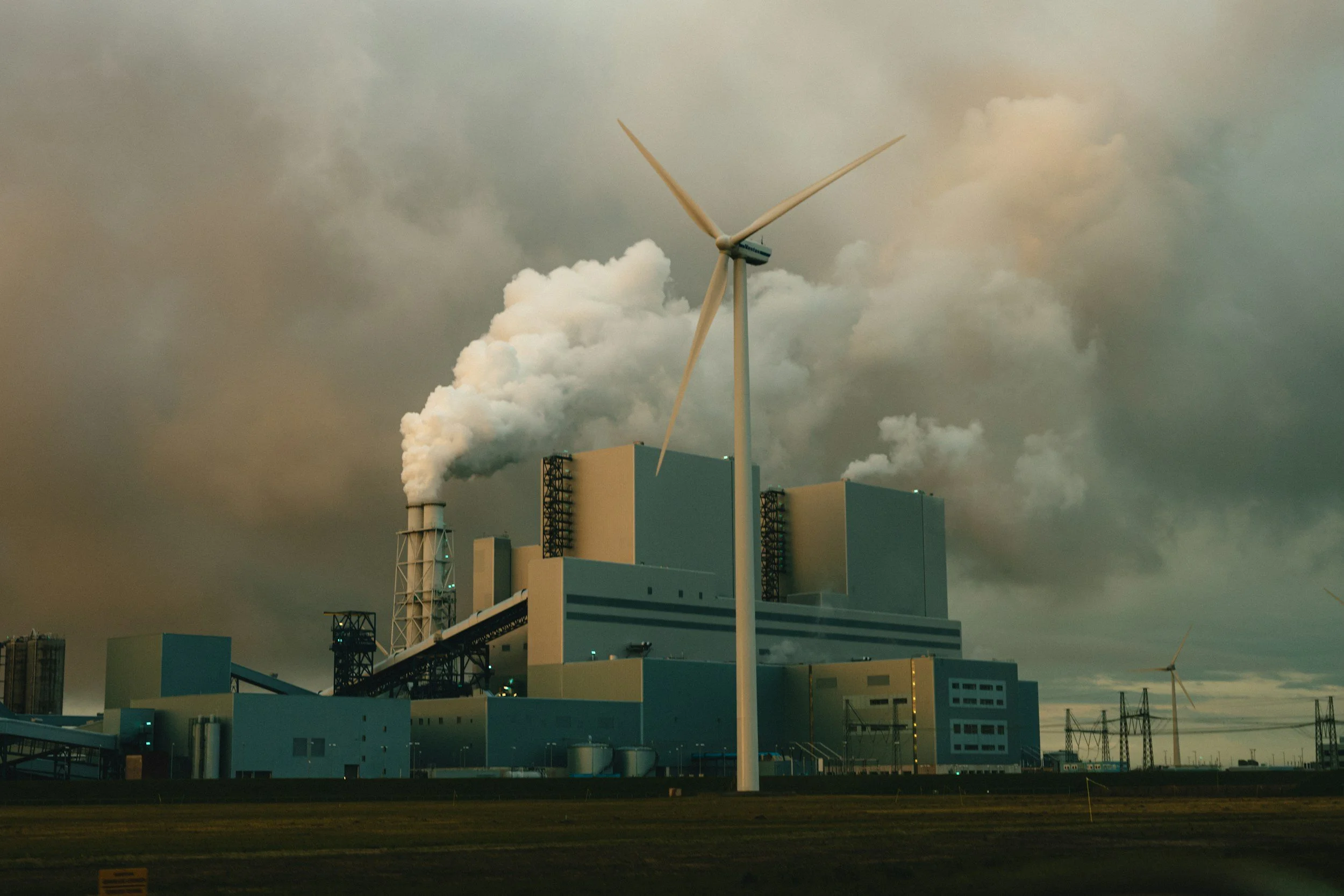
Coal has been one of the strongest performers, reflecting robust demand in parts of Asia and supply constraints. U.S. natural gas on the other hand declined, despite conflict in the Middle East, due to abundant domestic production, healthy storage levels, and regional market dynamics. The national average for a gallon of regular gasoline fell rapidly and ended the quarter at $3.84 from a peak of $4.56 in May.
Key Lessons
- Market volatility can emerge from unexpected sources; maintaining a diversified portfolio can help manage downside risk.
- Exposure to less correlated asset classes can play an important role in helping balance portfolios.
- Strong corporate earnings growth remains a key source of stability in the midst of day-to-day headlines.
Looking ahead to the second half of the year, continued portfolio diversification remains essential given the potential for changing economic and policy dynamics.
Download the 2026 Mid-Year Market Review
Monthly insights from the first half of 2026