
Chaos in Caracas
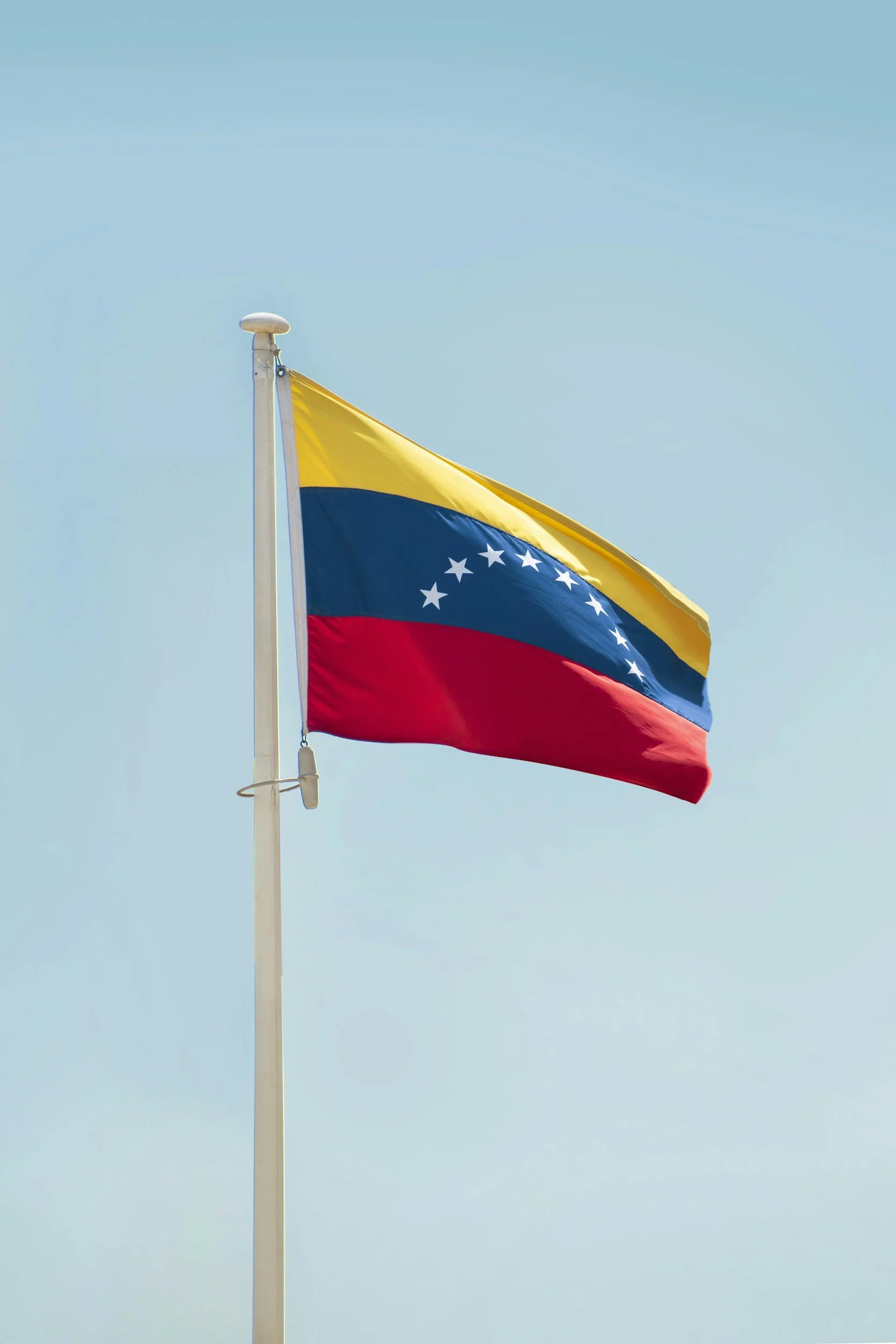
Early Saturday morning, the U.S. carried out Operation Absolute Resolve, resulting in the detention and extradition of Venezuelan President Nicolás Maduro. The action represents the most significant direct U.S. intervention in Latin America since the 1989 invasion of Panama. According to the White House, the operation was conducted as a counter-narcotics and counter-terrorism effort. Maduro has been charged with multiple drug-related offenses, with allegations that he presided over a corrupt regime that enabled and profited from the regional drug trade. The operation follows months of stalled negotiations, including discussions over Venezuela’s acceptance of deportation flights of Venezuelan migrants and efforts to expand U.S. companies’ access to Venezuelan oil production.
Market Impacts of Geopolitical Events
Geopolitical shocks often dominate headlines, but their lasting impact on markets is usually far limited than the news coverage might suggest. History shows that outside of truly systemic events, such as world wars or major energy embargoes, markets tend to absorb geopolitical surprises quickly as investors refocus on fundamentals including economic growth, inflation, corporate earnings, and interest rates. Even in the face of wars and coups, broad equity indices have typically recovered within weeks or months.
Currency and commodity price changes often prove short-lived as well as supply routes adjust. Chart 1¹ shows the growth of the S&P 500 in spite of various geopolitical events like the annexation of the Crimea, Brexit, Iran exiting the nuclear deal, the invasion of Ukraine by Russia, and the Israel/Palestine conflict.
Trying to adjust investments based on geopolitical news often leads to selling during panic and buying back after prices recover. While it is appropriate to recognize the uncertainty created by such events, remaining anchored to a disciplined, well-diversified portfolio has historically proven effective in navigating recurring geopolitical noise with relatively modest long-term impact.
Potential Impacts in Venezuela
After the first hours of trading on Monday morning, The S&P 500, alongside other major global equity indices, were broadly positive. Oil prices remained nearly unchanged despite the potential implications that come with greater access to Venezuelan oil coming online. Oil prices have stayed low in recent months because Middle East supply has grown, pushing prices down. Chart 2² shows the production of oil, measured in thousands of barrels per day. Venezuela is the 20th largest oil producer but has the world’s largest known oil reserves of any country, measuring in at 303 billion barrels, more than six times the size of U.S. reserves, as shown in Chart 3³. Over the longer term, any significant rebound in production is likely to take time, given Venezuela’s severely degraded infrastructure, and the need for significant investment, but higher output could eventually put downward pressure on oil prices depending on the timing and scale of the increase.
Chart 2 | Top 20 Oil-Producing Countries
CONCLUSION
It is important to remember that change is the only constant in markets, and an investor’s ability to remain resilient through periods of volatility can be a key driver of long-term returns. With respect to geopolitical events, there is little investors can do to prevent their short-term effects on portfolios; however, absent a truly systemic shock such as a global conflict, those impacts have historically been short lived. While geopolitical developments often command significant media attention, financial markets remain primarily focused on fundamentals such as earnings, economic growth, and valuations. For long-term investors, staying disciplined and thoughtfully allocated within a well-diversified portfolio remains the most effective way to generate value.
1. Data Obtained From Bloomberg as of 1.5.2026
2. Crude oil production 2024 | countryeconomy.com
3. OPEC Annual Statistical Bulletin
8693171